


Limestone is more interesting than you think (seriously!)

Simon Edward • October 9, 2023
BOOK TICKETS

Limestone is seriously, jaw-droppingly interesting. Follow the story of a barnacle, a crab, a teacher and a very special type of rock.


Limestone is seriously, jaw-droppingly interesting. Follow the story of a barnacle, a crab, a teacher and a very special type of rock.

It is the year 20375 BCE.


A small barnacle clings to a sea stack looming just outside of what will eventually become Dover. A storm rages onto the beachhead, swooping in from the Atlantic. It's caused by great pressure differences, the volumes of which are incomprehensible to the human mind, not to mention the poor barnacle's mind.


Wave after wave crashes onto the crustacean as it holds its position on the rock, vying for nutrients that spill in from the rich marine life of the sea. The barnacle is failing to keep its grip. It's dying.


Meanwhile, a hermit crab is being pummeled by the undercurrents that wind up and down the ocean floor, just a few metres from the beach. The crab is pushed ashore, much against its will, as rain smashes into its cracking shell.


The crab feels it must flee into the soft sand of the beach and find a new shell. It leaves its shell on the beach, which quickly washes back into the tide, where it's engulfed by the wretched waves of the ongoing storm.


The turbid waters are not done displacing the wildlife of this usually calm place. A small angelfish has been careening wildly toward the shore, fighting madly against the pressures it has found itself up against. In its struggle, which it will – against all odds – win, it does a poo.


The barnacle dies with an unheard plop. Compared to the violent storm, the plop is as insignificant as an atom in a supernova. The crab's shell is absorbed into the sea as though it has always belonged among the murky debris. And the fish poo floats and bobs its way into the water, meeting up with the shell and the poor, deceased barnacle.


All three find themselves tucked, when the storm settles, in a small pocket of rock just under the base of the sea stack. They remain there for aeons as the rest of the rock is pummeled and ground down slowly, over the centuries, into a fine powder.


Thousands of years later, Mr Mulberry is erasing his chalkboard at the end of a long day – a day in which two students became sick in his class and little Billy Stevenson was caught putting chewing gum in Amanda Roberts' hair.


Picture of a Teacher writing on a Chalkboard

He does not think of the barnacle, the crab or the fish. But all of them donated a part of themselves to the chalk that had held his lesson objectives for the day. And all of them are now, once again, being rubbed away slowly by the passage of time (and by his large eraser).


Chalk, being made up of fossilised, pulverized organic material, is the most pliable form of a rock known as limestone. And limestone is useful for more than just its ability to allow Mr Mulberry to write important things on the large hunks of slate that become chalkboards.


Perhaps you already knew that all this was in your chalk. Or perhaps you never thought about it. Maybe you've never thought of limestone as interesting.


Well, you're wrong. Limestone
is interesting. Here's why.


What is limestone?


Let's get some of the basics out of the way first. This may not be the most thrilling information, but this quick rundown will set the foundation for some of our more interesting facts.


Limestone is a rock made from calcium carbonate, which is a compound comprised of calcium, carbon and oxygen.


Compounds can come in many different forms. Just as crystallised carbon can be found in many variations, such as graphite and diamond, calcium carbonate has several crystals to its name. 


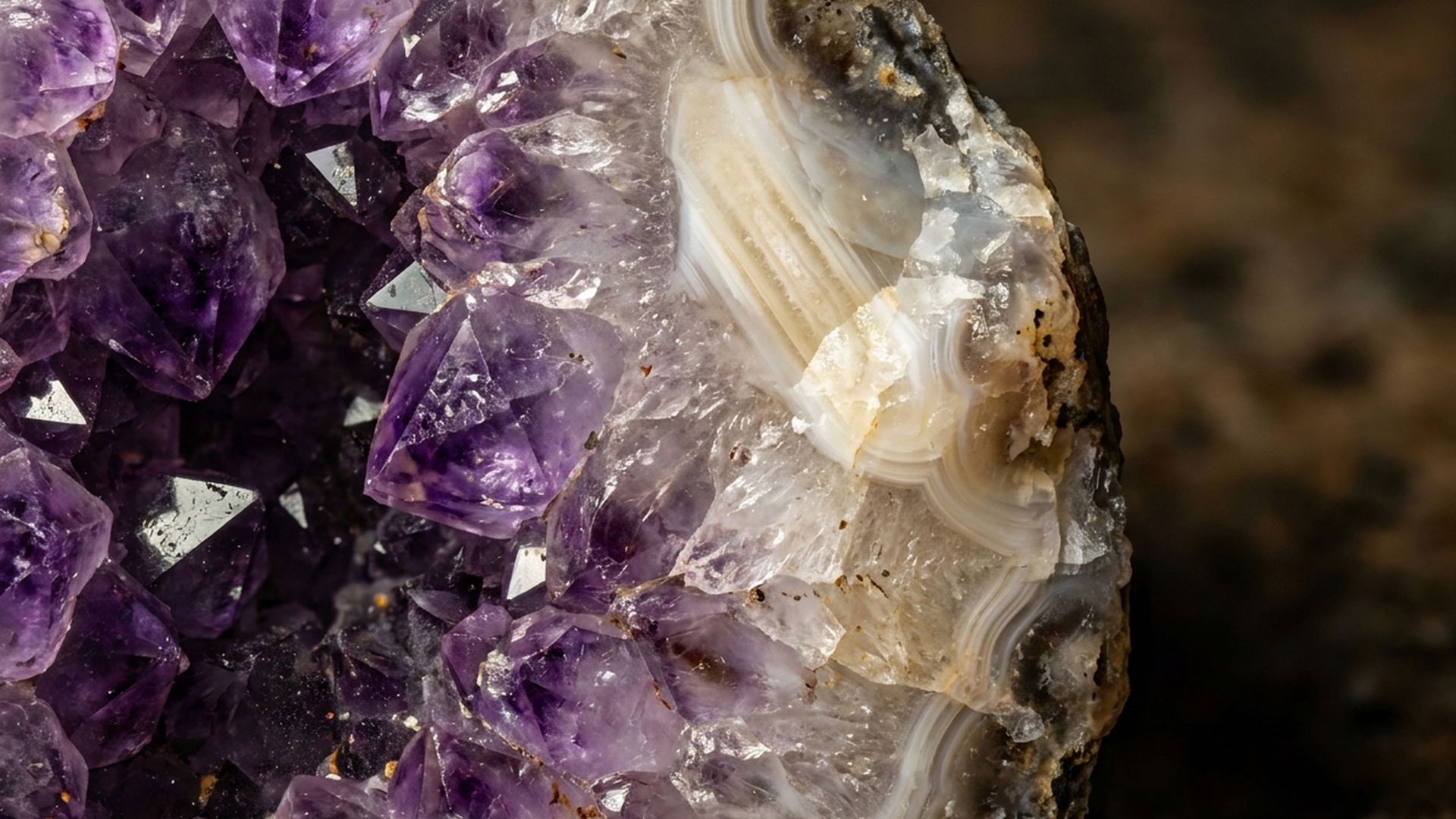
Limestone forms from calcite and aragonite crystals, which grow in the Earth's crust under rather unique conditions.


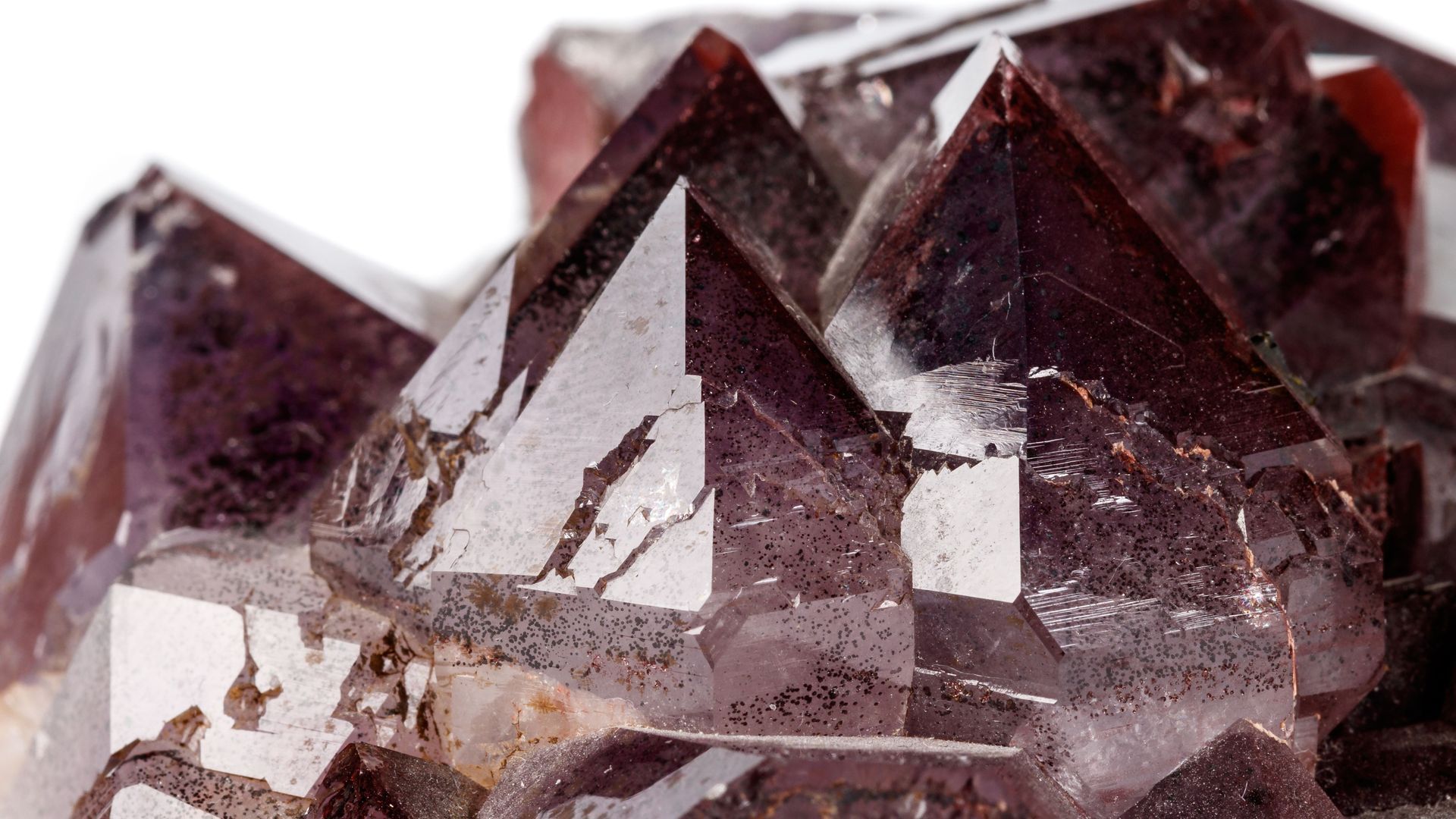
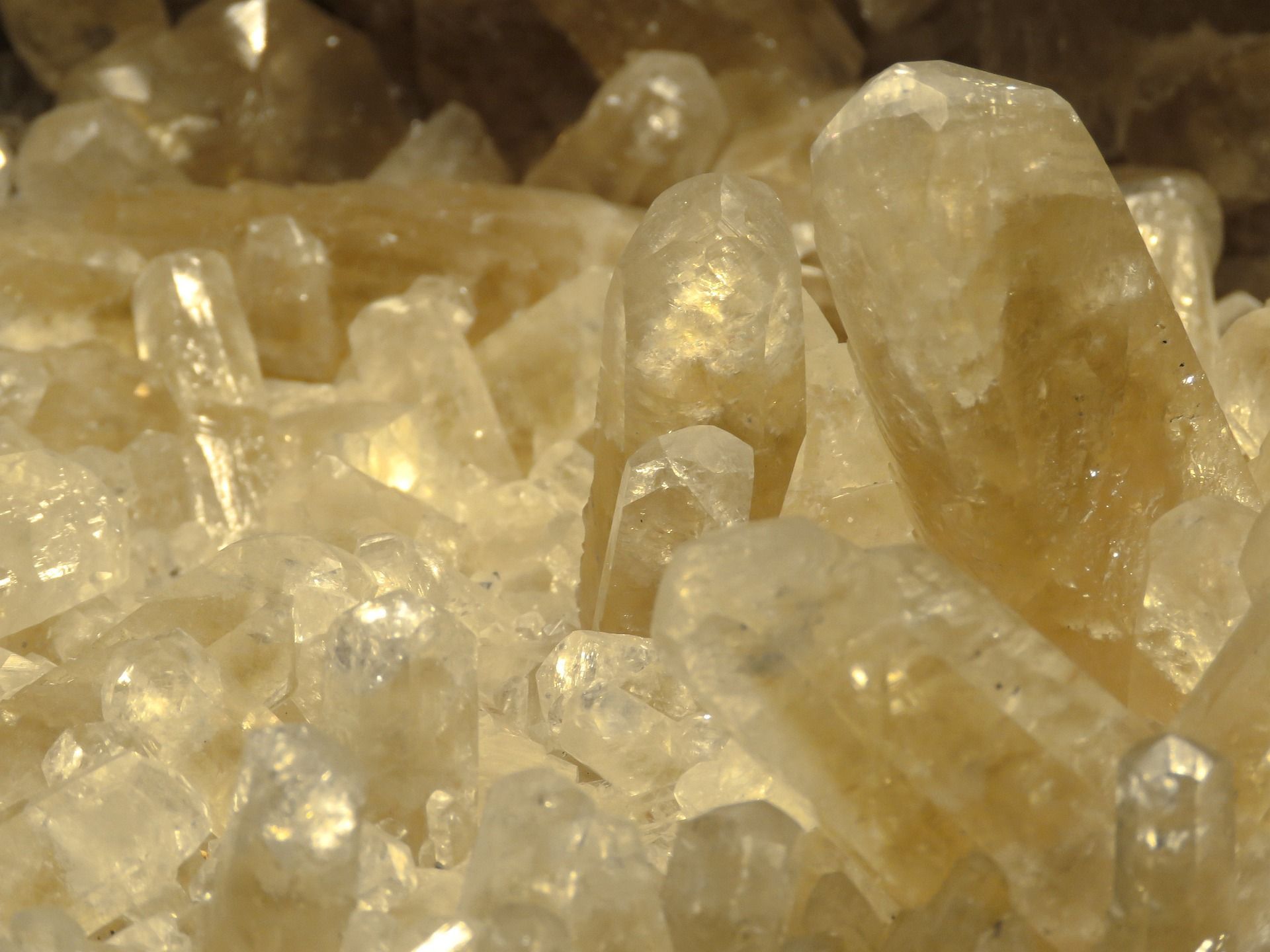
Picture of  Calcite Crystal

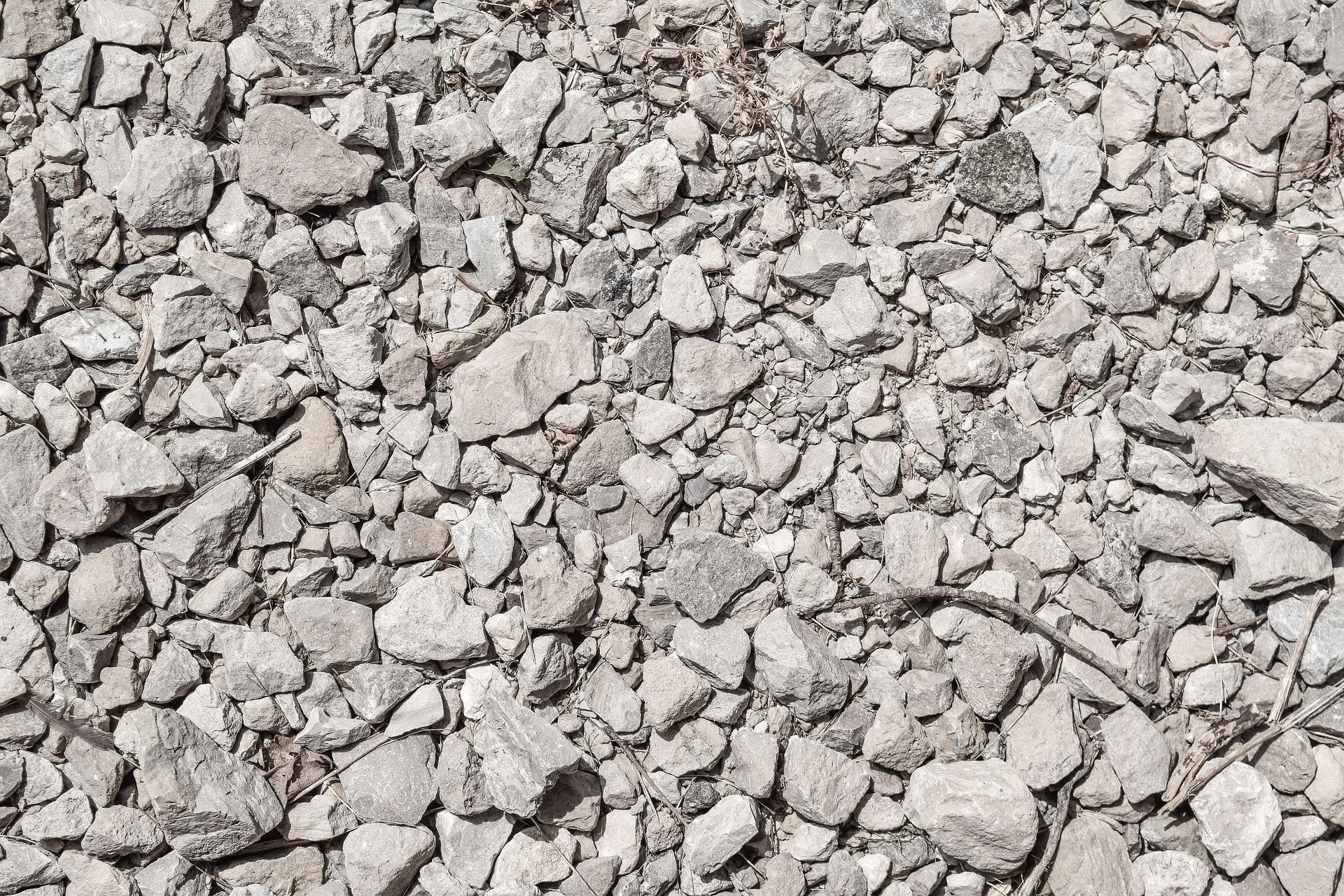
The varieties of limestone, then, not only differ from the presence of these two varieties (the aragonite varieties being much rarer) but also their porosity. Porosity is a measure of the space between bits of rock, or more simply, how many holes there are.


The densest form of limestone has a porosity of one percent. This is known as high-density limestone. The least dense form, with a porosity of 40%, is known as chalk.


Things get more intriguing when we discuss how limestone can form. 


In many ways, limestone is merely fossil poo. It's more complicated than that, obviously, but much of our limestone is the hardened remains of secretions from microorganisms that lived thousands or even millions of years ago. 


We hasten to add that limestone is an
inactive ingredient in toothpaste. Yes, you're brushing your teeth every night and every morning with fossil poo.


So, limestone is created from organic secretions in many cases. But in other cases, it was inorganic processes that created limestone deposits.


Calcium, though not the most abundant element in the Earth's crust, makes up a significant portion of the world's materials. Carbon and oxygen, the ingredients for carbonate, are extremely prevalent. So, calcium carbonate quite naturally accumulates in large quantities in pockets of geological areas.


Lastly, we'll mention that limestone is a sedimentary rock. Before we apologise for making you think of your primary school lessons again, let us say that the sedimentary nature of limestone leads us to our next section: its significance.


Why is limestone significant?


Limestone's sedimentary origins create an interesting conundrum, given the effects of water on large pockets of limestone.


Take Illinois, for example. The people in the central and southern portions of the state can drink a seemingly endless supply of clean water thanks – in large part – to the porous nature of limestone.


Picture of clean water coming out of a tap

Limestone is one of the easiest rocks to weather and erode. For those who fell asleep in science lessons, weathering is the process by which water breaks apart small bits of rock over time – and erosion is the process by which those rocks are carried away.


Limestone is unique in the fact that this process happens to destroy notable chunks of the stuff over the geological aeons. And yet this process is also what creates new limestone. 


In Illinois, this plays out with water from the Ice Age, which has seeped down past even the bedrock of the area, eroding the soft, dissolvable limestone beneath. Yet it is the limestone itself that holds the water, keeping it in a large pocket underneath the ground for the people in that region to access.


This plays out even more symbolically in those well-known cave features: stalactites and stalagmites.


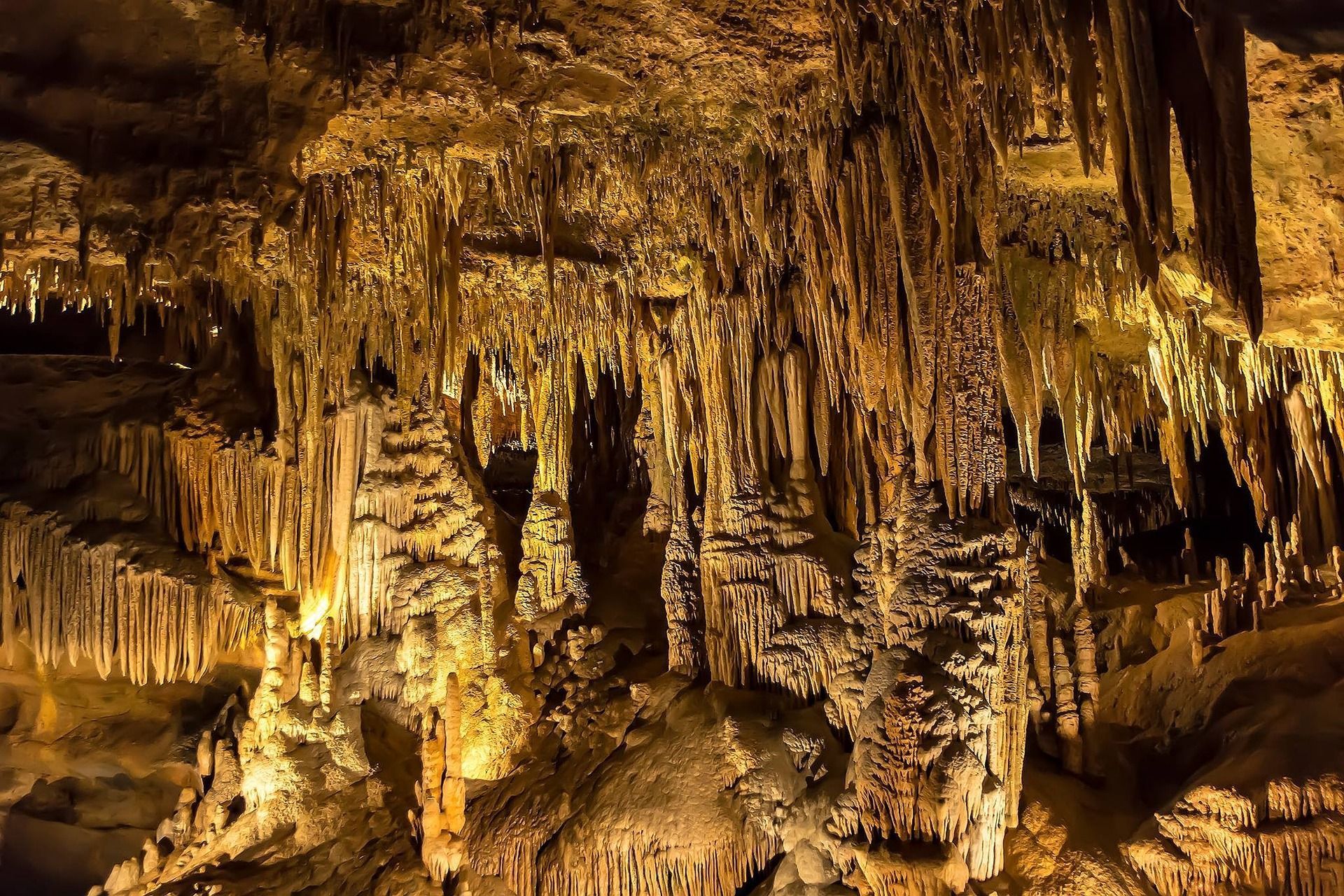
Picture of stalactites

On the top end, limestone is slowly chipped away at the microscopic level through water that condenses on a cool ceiling. As the water drips down via gravity, it carries slivers of calcium carbonate, which, over the years, collect as stalactites. These hang like icicles, pointing to their compatriots, the stalagmites, which have also built up thanks to calcium carbonate deposits.


Thus, limestone is responsible for many of the most breathtaking scenes in all of geology. Limestone can form as deep caverns, white cliffs or intricate slopes of rocky stairs. And it's all thanks to the rock's permeability and surprising sturdiness.


As you may have noticed, the best places to get acquainted with these gorgeous features are caves.


Where can I explore limestone formations?


If you're looking for a limestone formation you can explore, look no further than Stump Cross Caverns.


Stump Cross is an ancient limestone cave concealed deep under the surface of the Yorkshire Dales. It offers beautiful and accessible formations that can be explored thoroughly with UV lights provided by the staff. 


Why UV? Limestone glows under UV light due to the temporary excitation of subatomic particles. Apparently, even electrons are excited about limestone!


Want to learn more about limestone? Fancy an
unusual day out in Yorkshire? Don't hesitate to book your tickets online today.

Discover Stone Age dietary and dental habits, early methods of cleaning teeth, and what cavemen used
By Simon Edward April 24, 2026
Discover Stone Age dietary and dental habits, early methods of cleaning teeth, and what cavemen used instead of toothpaste.
Discover the best apps for navigating the Yorkshire Dales, with maps, weather and safety tools
By Simon Edward April 20, 2026
Discover the best apps for navigating the Yorkshire Dales, with maps, weather and safety tools to help you explore with confidence.
Discover scenic wild swimming spots in the Yorkshire Dales, with essential safety tips
By Simon Edward April 17, 2026
Discover scenic wild swimming spots in the Yorkshire Dales, with essential safety tips to help you enjoy the water responsibly.
Discover the best rainy day activities in North Yorkshire, from museums to cosy cafes and caves
By Simon Edward April 13, 2026
Discover the best rainy day activities in North Yorkshire, from museums to cosy cafes and caves that are perfect for April weather.
Planning a birthday party for an inquisitive mind? Discover creative ideas
By Oliver Bowerman April 10, 2026
Planning a birthday party for an inquisitive mind? Discover creative ideas to make your child's special day educational and fun.
Get ahead with your weird and wonderful cave knowledge. Learn the amazing answers
By Oliver Bowerman April 6, 2026
Get ahead with your weird and wonderful cave knowledge. Learn the amazing answers to some of the most common questions kids ask about caves.
Discover beautiful wildflower meadows in the Yorkshire Dales this spring
By Simon Edward March 31, 2026
Discover beautiful wildflower meadows in the Yorkshire Dales this spring – from limestone valleys to hay fields near Stump Cross Caverns.
Discover how Yorkshire does Easter differently, from folk theatre and unique baking customs
By Oliver Bowerman March 30, 2026
Discover how Yorkshire does Easter differently, from folk theatre and unique baking customs to springtime sparkle beneath the ground.
Discover where you might find fossils in Yorkshire, and how to explore responsibly while protecting
By Simon Edward March 27, 2026
Discover where you might find fossils in Yorkshire, and how to explore responsibly while protecting the prehistoric heritage of the region.
Planning a visit to Stump Cross Caverns? Discover 5 beautiful Yorkshire Dales holiday cottages
By Simon Edward March 23, 2026
Planning a visit to Stump Cross Caverns? Discover 5 beautiful Yorkshire Dales holiday cottages nearby, perfect for relaxing after adventures.
More Posts