
Memories of Moorcock Inn: a haven for early Stump explorers

28 October 2024

In the early days, the Moorcock Inn was closely connected with Stump Cross Caverns. Let's find out why.


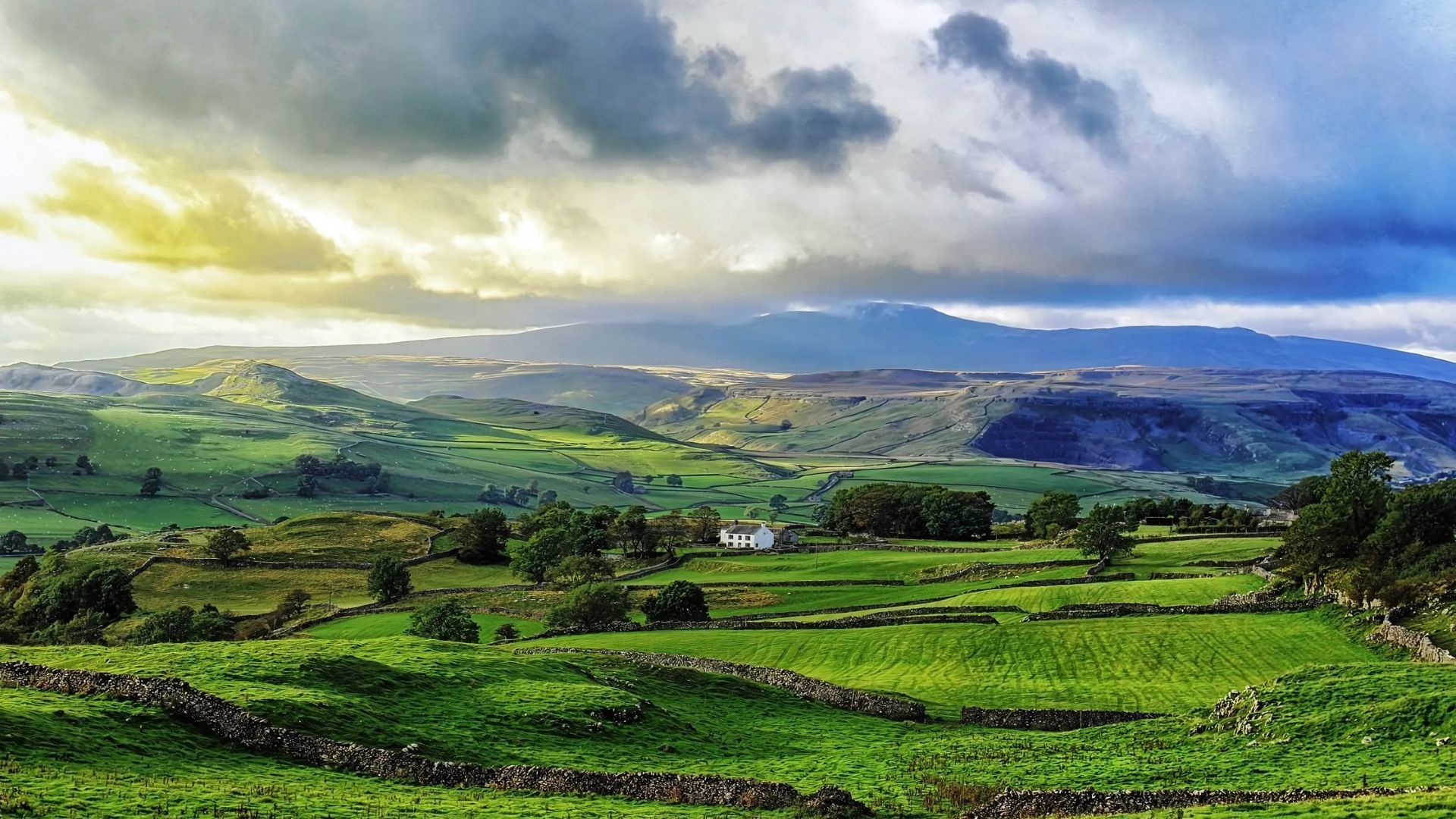
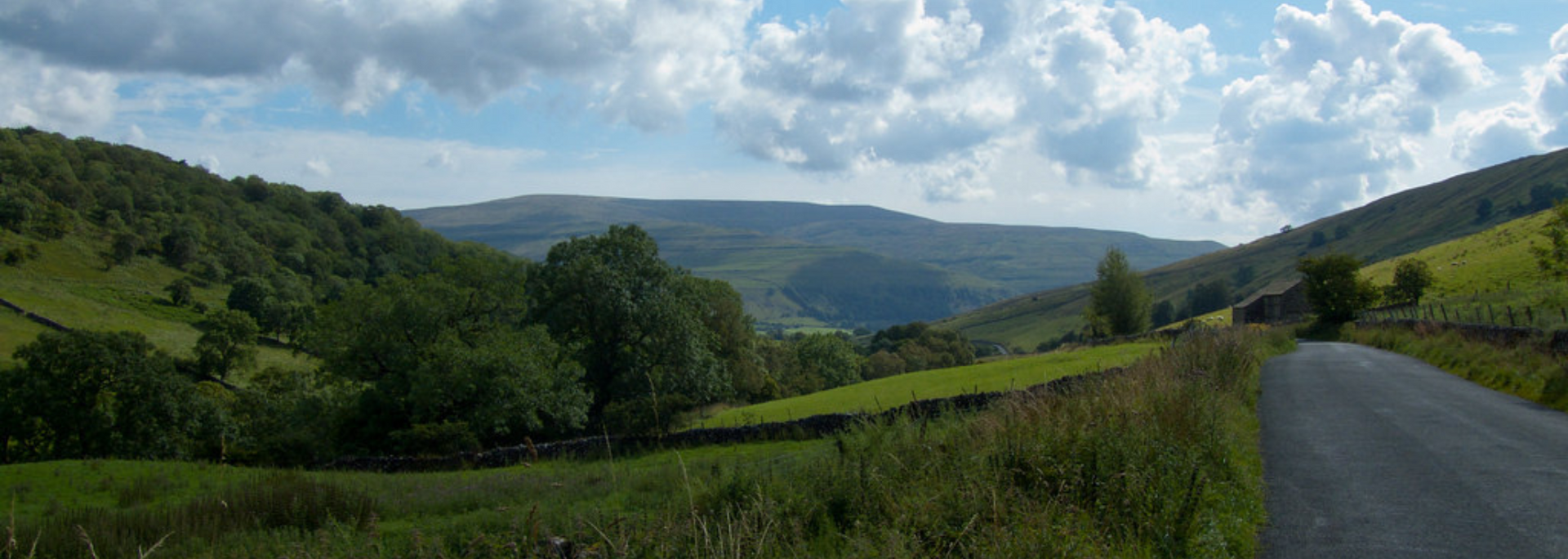
Rolling green hills under a cloudy sky, with mountains in the distance.

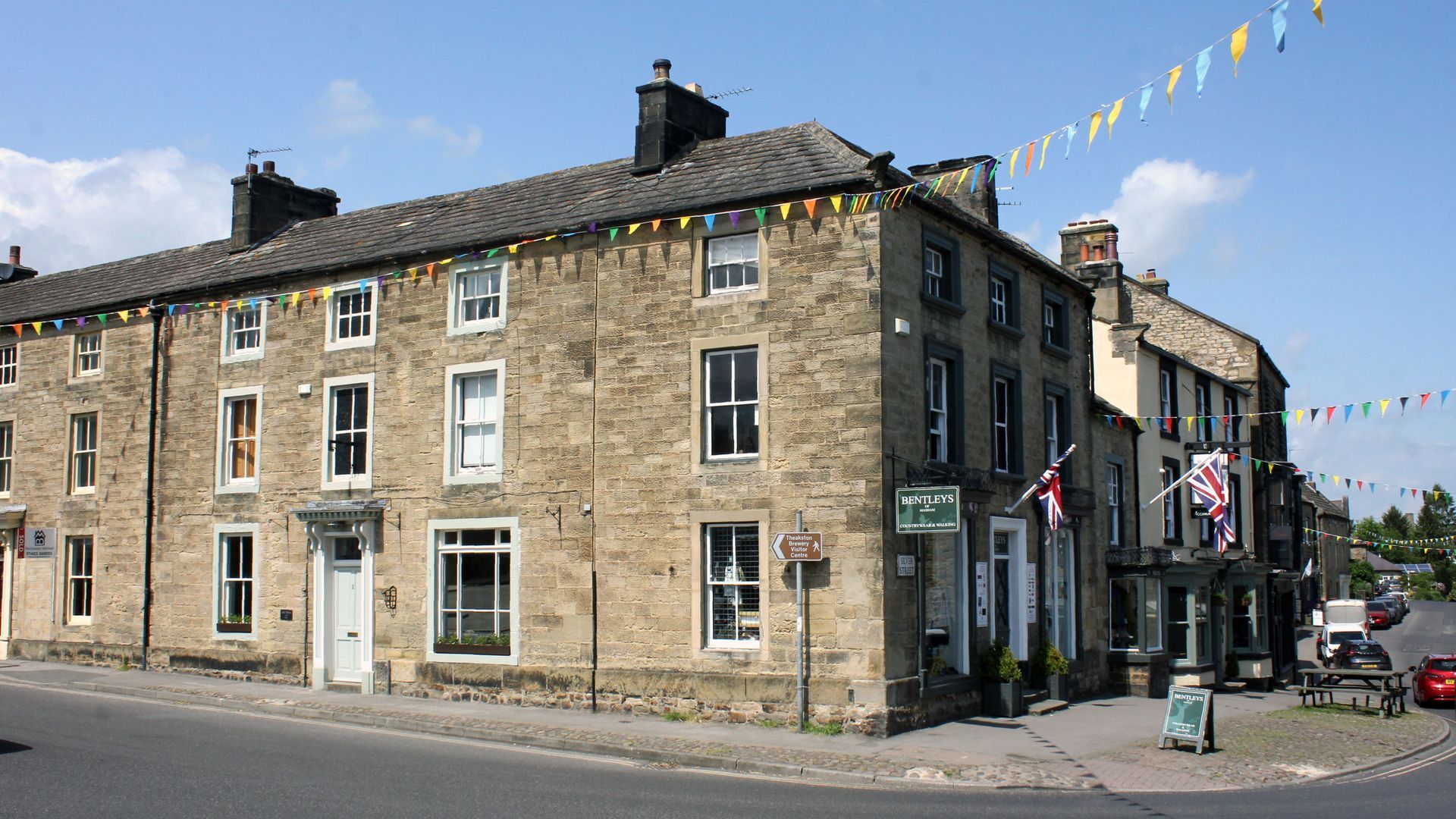
"An isolated mountain inn, with very fair accommodation…" – M.J.B. Baddeley, 1893
Stump Cross Caverns was formed around half a million years ago – but in some ways, not much has changed. The chambers and rock formations have been preserved like museum pieces, delighting visitors from their discovery in 1860 to the present day.

New chambers have been unearthed, the caves have changed hands and the caverns as a whole made more amenable to visitors. But the limestone and calcite themselves are practically unchanged.

The manner of visiting, however, has changed more than a little bit.

The opening of the caves happened around the same time as the expansion of the local railways. It was now far easier to get around Yorkshire than it had been for the Brontë sisters a decade or so earlier. Wealthy visitors would take the train to Grassington and then
hop on a horse-drawn bus to the caverns .
Today, you can park up and enter the visitor centre. Back then, there was no visitor centre – just the Moorcock Inn, a pub frequented by local miners.

Here, the visitors would change out of their town clothes into protective overalls provided by the landlord, ready to descend into the prehistoric caves.

The history of Stump Cross, then, is inseparable from the history of Moorcock Inn. But what do we know about it?

What we know about Moorcock Inn

Our knowledge of Moorcock Inn is based on scant references in books on geology, history and tourism. From these sources, we learn that it cost two shillings to get in and that it was a place "where refreshments can be obtained before proceeding to these wonderful caverns of Stump Cross, some few hundred yards away".

We also know that it was standing there before
Stump Cross was discovered by Mark and William Newbould, two local lead miners, in January 1860.
The brothers knew that show caves were turning a profit in other parts of the country. They saw pound signs and were quick to negotiate a lease with Thomas Yorke, the local landowner who had rights to minerals mined on his land.

Rolling green hills under a cloudy sky. A road winds through a valley.

In an Official Guide to the Show Caves , we're told that "to supplement the income from the cave, he also ran the nearby, now defunct, Moorcock Inn, where visitors, who were charged one shilling (5p) to visit the cave, could change into protective clothing which he provided". (One shilling? Two shillings? Let's call the whole thing off.)
It's fascinating to imagine the well-to-do of Yorkshire descending on this miner's pub and changing out of their finery into cave-friendly overalls – and still more amazing to think that they were enjoying pretty much the same sights, smells and sounds as you can today.

Contemporary accounts

An undated publication, possibly from the 1860s, describes the approach a visitor is likely to take to Stump Cross Caverns. It features a classic description of the "wild vastness" of the Dales before directing the reader to something altogether cosier: "a comfortable little roadside inn where Mr W Newbould, the guide, resides".

Here, the writer tells us, "It will be well to take a little refreshment, which will most probably by this time be needed, before entering the cavern."

They add a word of advice: "Too hearty a meal should not be eaten, as it would be found a great inconvenience of the stooping position to be maintained for an hour or two in the labyrinth."

Another key account comes from a 1952 issue of the Craven Pothole Club Journal. In it, Mr T.E. Wood writes a letter to the editor reminiscing about a visit to the caverns some 50 years earlier.

He had visited the Moorcock Inn with a violinist friend. They were looking for refreshment and found a tale worthy of a Thomas Hardy short story.

"I went to the door," Wood writes, "next to a dimly lit window and opened it – not into a bar with beer and its drinkers about, but into an almost bare room, with a great peat fire in the chimney, and a man seated at one side and a woman at the other, both showing surprise at my appearance.

Two people sit on the floor by a fireplace. A dark room with a door and side table. Black and white.

"I stood," he continues, "even more surprised myself, and said 'Isn't this the Moorcock?' The man got out of his chair, a hump-backed, bent figure and answered 'Now, it isn't. It once was, but they've taken our licence and we're flitting tomorrow morn…'"
Despite the change in circumstances, the landlord treated the visitors to dinner and beds for the night. Wood describes "the peat fire over which hung, suspended on a hook, a great, round frying pan, deep with potatoes, cabbage and chunks of bacon". Soon, they were given "huge platesfull" as the landlord's wife "brewed a pan of coffee". (Anyone else feeling hungry?)

This charming slice of life, however, is soon darkened by the landlord's sad tale. He had been badly injured by a "fall of earth" when mining for lead – hence his hunchback – and since then, had been eking out a living as the landlord of the inn, shepherd of his flock and tour guide at Stump Cross Caverns.

This tragedy is a testament to just how dangerous the lead mining industry was in Yorkshire and elsewhere.

As far as we know, T.E. Wood and his violinist friend were the last guests at the Moorcock Inn – at least under this landlord's tenure.

When did it cease to be a pub?

We don't know exactly when the Moorcock Inn turned off the taps and ceased to be a pub. Historical documents suggest that it was around the 1920s but that it was still operating as a cafe in the 1950s.

Whatever the end of the Moorcock Inn story, it's undeniable that the Stump Cross story can't be told without it. 

It's sad that the Moorcock Inn is gone. But the good news is that you'll never be thirsty at Stump Cross Caverns today. Visit our on-site
cafe near Harrogate and discover a menu of delicious, homely food and tasty refreshments – as well as gorgeous views over the Yorkshire Dales.

Share this article

Recent Posts

Could you be the one to make the next HUGE fossil discovery at Stump Cross Caverns? Join us
by Simon Edward 22 May 2026
Could you be the one to make the next HUGE fossil discovery at Stump Cross Caverns? Join our Ice Age Dig for a once-in-a-lifetime opportunity.
What happened before the Stone Age? Find out about Earth's earliest history, prehistoric life
by Oliver Pyper 22 May 2026
What happened before the Stone Age? Find out about Earth's earliest history, prehistoric life and the world before humans.
Discover the best glamping experiences in the Yorkshire Dales, plus local attractions,
by Simon Edward 18 May 2026
Discover the best glamping experiences in the Yorkshire Dales, plus local attractions, packing advice and tips for family-friendly adventures.
What you've heard is true: birds really are dinosaurs.
by Oliver Pyper 15 May 2026
What you've heard is true: birds really are dinosaurs. Explore this fascinating evolutionary story with us.
The Ice Age saw the last of many giant beasts – so how did early humans survive?
by Oliver Pyper 11 May 2026
The Ice Age saw the last of many giant beasts – so how did early humans survive? Discover how clothing, shelter and diet played a part.
Looking for something to do in Yorkshire on 25 May? Explore 6 spring bank holiday events
by Simon Edward 8 May 2026
Looking for something to do in Yorkshire on 25 May? Explore 6 spring bank holiday events and experiences.
Person in a hard hat inspects stalactites and stalagmites in a cave, lit with purple and amber lights.
28 February 2026
Here at Stump Cross Caverns, we're proud that our caves have contributed to the sum of scientific knowledge. Here are 4 fascinating examples.
Stone ruins of a village overtaken by greenery, nestled in a valley with a cloudy sky.
27 February 2026
There are around 3,000 deserted villages in the UK. Explore 5 incredible examples in Yorkshire and nearby.
Man with briefcase overlooking valley at night, glowing watch, lit village below, full moon.
23 February 2026
What skills and tools would you need to survive as a Stone Age person? Take a trip in our time machine and find out…
Show More